Table of Contents
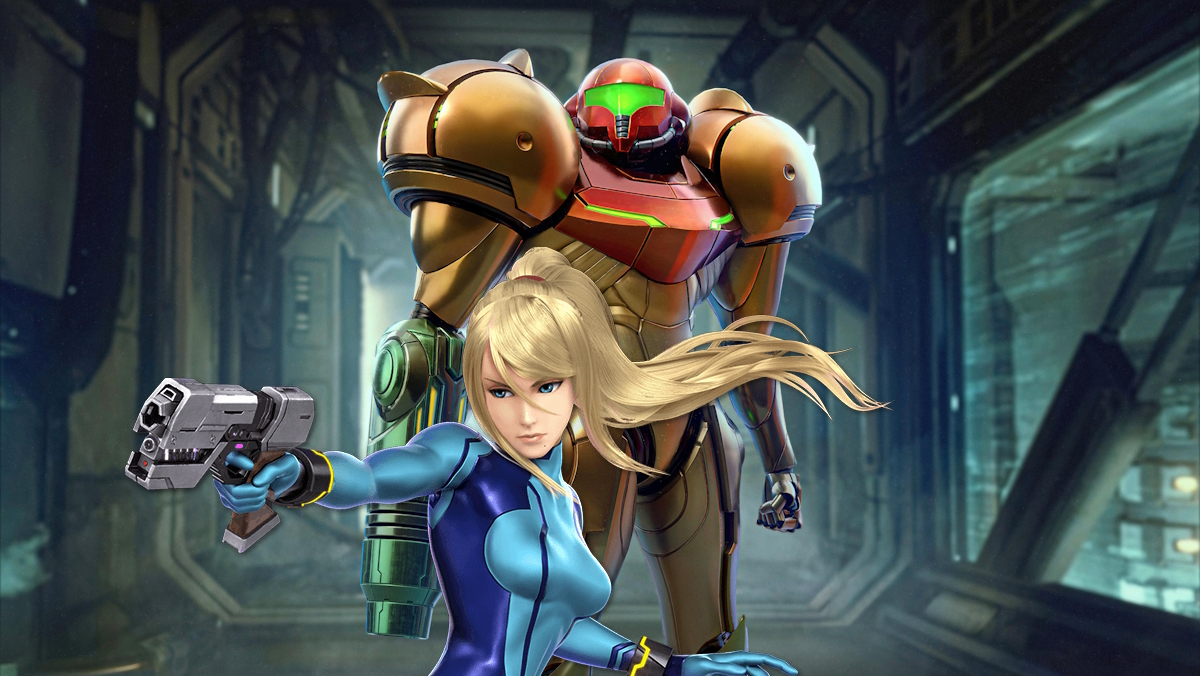
Metroid Prime 4 is popping out on December 4 for each the Nintendo Swap and Swap 2. The model for the brand new console is dearer, which isn’t stunning since Nintendo Swap 2 video games are launching at greater costs by default.
That is half of a bigger value hike affecting Nintendo and the remainder of the trade. Nintendo raised the worth of its {hardware} this 12 months, which slowed console gross sales, particularly after the discharge of the extra highly effective Swap 2. Naturally, many gamers are pissed off to see new video games pushing into the $70 to $80 vary.
With Metroid Prime 4 being the primary Metroid sport caught on this wave, Destructoid spoke with Kynan Pearson, who labored on Metroid Prime 2 and Metroid Prime 3, to get his ideas on why that is occurring and why it’s most likely not going away.
AAA video games take actually a thousand folks to make
Kynan, who has been in sport improvement for years, identified how manufacturing prices have exploded. For instance, he used the credit for The Legend of Zelda: A Hyperlink to the Previous, launched in 1992 for the Tremendous Nintendo. It had 41 names. In the meantime, Tears of the Kingdom has greater than 1,100 folks talked about within the credit, plus total job classes that have been cut up into subcategories for the reason that Nineteen Nineties, like “programmer” turning into 18 specialised roles.
“[Nintendo’s] improvement prices have considerably elevated as nicely,” he analyzed, mentioning that Tears of the Kingdom and Breath of the Wild took “virtually a whole console era” to finish, even with a big crew. “Fortunately, they’re promoting loopy quantities of items of contemporary Zelda, however they’re additionally releasing considerably fewer video games over a era, so the prices sort of stage out.”
Video games at the moment require larger groups, extra designers, extra programmers, extra specialists, and years of improvement time. Even Tears of the Kingdom, constructed late within the Swap’s lifecycle, took a number of years and large staffing. All of meaning greater manufacturing prices, and people prices must be recovered one way or the other.
“I labored on some video games that have been large in scale, and their break-even factors have been ridiculous, completely ridiculous,” Kynan stated, revealing that in some instances it could be not possible for these titles even to recoup their improvement value.
Your backlog is a part of the issue
However improvement value is simply a part of the story. Kynan additionally factors to one thing true for just about anybody studying this: our unending gaming backlogs.
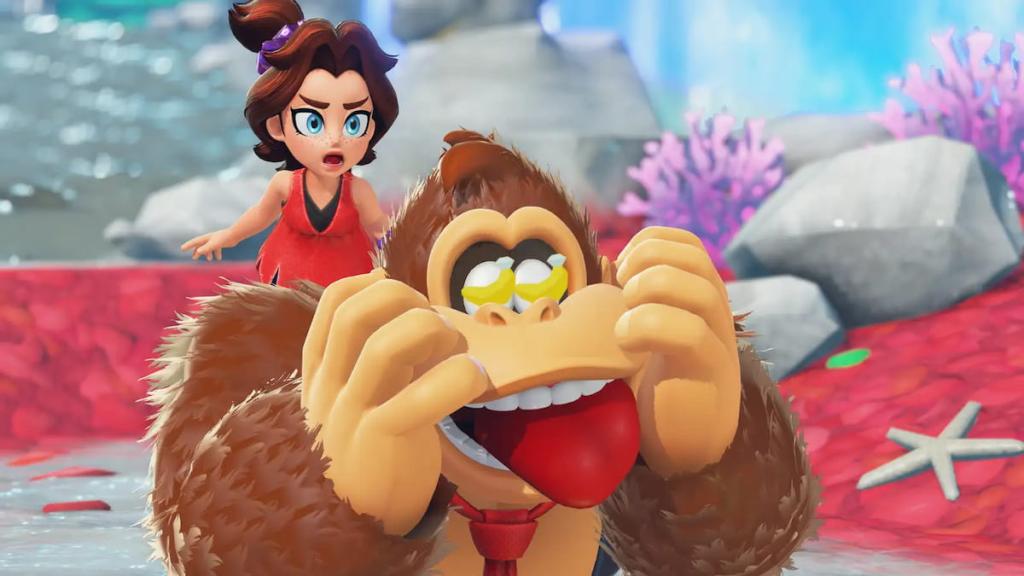
I’ve an enormous digital backlog on Swap, plus one or two bodily video games I’ve by no means touched. And that’s earlier than even my Steam library, which is stuffed with stuff I received without spending a dime or on sale through the years. Proper now, I’m enjoying Donkey Kong: Tropical Freeze on Swap and Mass Impact Trilogy on the Steam Deck, and I nonetheless have a number of different titles ready. So when Metroid Prime 4 launches, I have to resolve whether or not to purchase it instantly or if it joins the pile of video games I already personal and haven’t completed.
“Each sport that comes out is competing with the complete historic again catalog of video games which have ever been launched as a result of they’re competing for time,” Kynan stated. “They’re competing with much more than we all know at this level.”
This competitors for time didn’t exist in the identical manner when A Hyperlink to the Previous was launched. Again then, it was competing with a small handful of SNES video games. Right this moment, hundreds of video games hit Steam yearly, lots of extra arrive on consoles, and dozens of retro video games are simple to entry on the Swap. Every little thing is combating for consideration.
Gamers can solely play so many video games. Meaning every title sells fewer copies on common. And in case your sport sells fewer copies, the one strategy to recoup huge improvement prices is to extend the worth per copy, which is why value hikes exist.
“There are simply too many video games, and there will not be sufficient gamers demanding the entire video games. So video games want to face out indirectly, they usually must be worthwhile regardless of the escalating prices,” he concluded, pointing to the a number of sport studios which have closed down lately.
Kynan made it clear that he needs video games to be cheaper, however he additionally believes there’s a legit cause firms are growing costs, regardless of not being conscious of their financials.
Adjusted for inflation, video games within the 90s have been far dearer than at the moment. For instance, A Hyperlink to the Previous value round $50 in 1992, which equals roughly $115 at the moment. That’s greater than Tears of the Kingdom and greater than any Swap 2 sport up to now. So in that sense, video games are cheaper. However this will get difficult if you consider inflation, wages, and the overall value of dwelling. If video games are cheaper however folks have much less disposable earnings, the maths feels the identical in observe.
Making good video games is the antidote to future value hikes
Finally, like numerous issues, video games value extra to make, in order that they value extra to purchase. For large productions like Metroid, Zelda, or Pokémon, that’s most likely going to vary. If we wish cinematic, high-production worth video games constructed for a world viewers, we should pay a premium.
Smaller video games present the distinction. Solo-dev hits like Megabonk and small indie groups like Hole Knight: Silksong’s Crew Cherry can nonetheless promote video games for $10 to $20 as a result of their prices are tiny as compared.
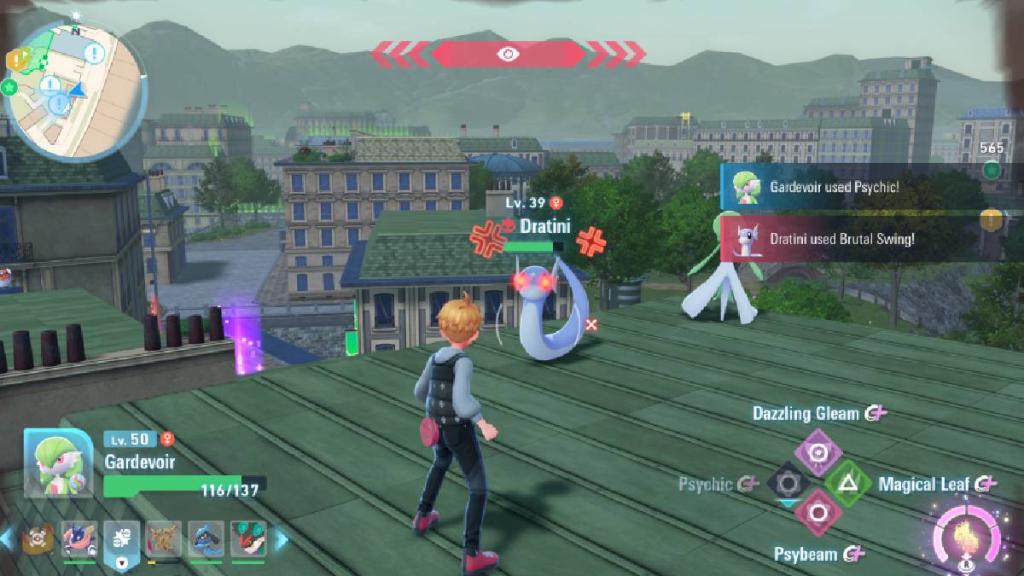
Nintendo, apparently, reportedly retains prices decrease than most AAA publishers, with Pokémon video games on the Swap costing roughly $20 million to develop. Even Metroid Prime 4, which has reportedly been restarted a number of occasions, is estimated at round $100 million. Nonetheless modest in comparison with trendy mega-budget video games that reportedly go over $200 million in improvement prices.
In Kynan’s view, Nintendo can get away with spending much less because it focuses on nailing what issues: robust mechanics, rewarding suggestions, and worlds the place gameplay feels good.
In the long run, builders try to make video games that stand out amongst hundreds, and gamers must juggle bills, time, and big backlogs. It’s robust on each side, however until the complete financial mannequin of gaming shifts, $70 to $80 video games, particularly for large franchises, are right here to remain.