Table of Contents
SEGA’s new side-scrolling Metroidvania is likely one of the most lovely video games ever made. With enchanting artwork course, an unimaginable pseudo-2D fashion, and music straight out of heaven, we would simply have the crown jewel of fairly video games.
Nonetheless, with a variety of caveats in its stage design, numerous inconsistencies, however nonetheless superior fight and fights, SHINOBI: Artwork of Vengeance gives an entire expertise marred with small flaws that rapidly add up.
Right here is our full evaluation.
The infernal path of vengeance

In SHINOBI: Artwork of Vengeance, you play as Joe Musashi (I do know, the identify is simply pure comedy, however his story is something however), a person stemming from the Oboro Clan. In the future, his clan is attacked by the evil ENE Corp, a company headed by one Ruse, who’s hellbent on dominating the world and can cease at nothing to attain that.
He perceives the Oboro Clan and Musashi as essential limitations to his world dominance and strikes them preemptively. Nearly all of Musashi’s clan is decimated, leaving him to pursue a path of pure rage and vengeance, the place he is not going to cease till Ruse and his ENE Corp are historical past.
Following Musashi, you progress by means of numerous levels and areas within the sport’s universe, with important variance between them. The story is easy but efficient at driving you ahead, providing you with the next objective to beat every particular person stage. After clearing all of the levels in a zone, you progress to a bonus stage, normally meant for providing you with additional gold and upgrades, but additionally to drive the story ahead in essentially the most cinematic means conceivable.
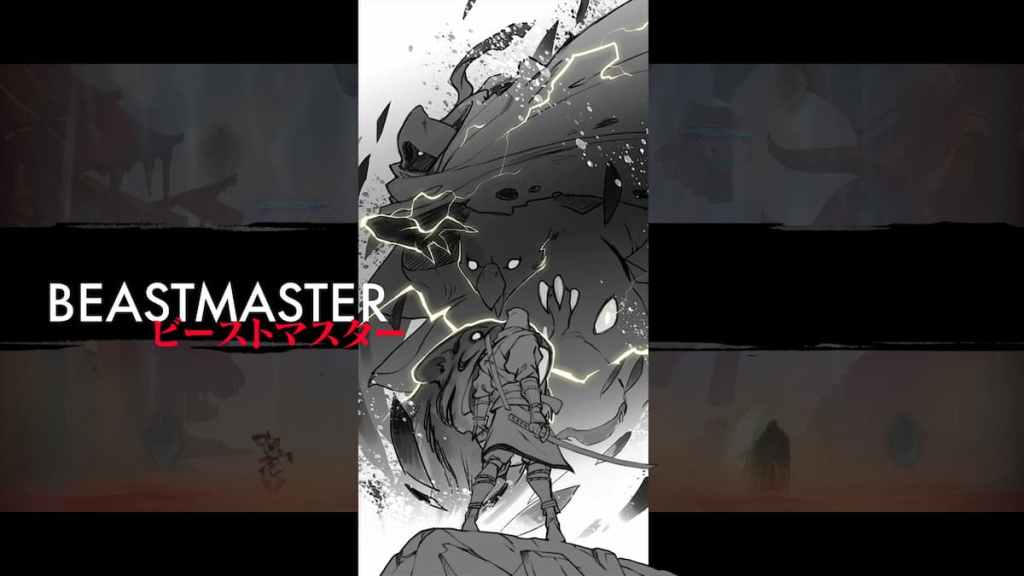
Talking of the levels, they’re variably designed as metroidvania ranges, with Soulslike checkpoints (i.e., bonfires) scattered all through. Although it takes rather a lot from each Metroid and Soulslike design philosophies, SHINOBI: Artwork of Vengeance stays a beat-’em-up at its core.
With Musashi, you face off with numerous ENE Corp minions and finally the group’s many bosses, with some recognizable to those that have performed earlier SHINOBI titles. I, for one, by no means have, having not indulged in SEGA’s video games rising up (properly, at the least not this specific line of them).
Even so, SHINOBI: Artwork of Vengeance is a standalone story with an easy-to-follow plot, permitting newcomers to expertise it with out a hitch.
Visually breathtaking
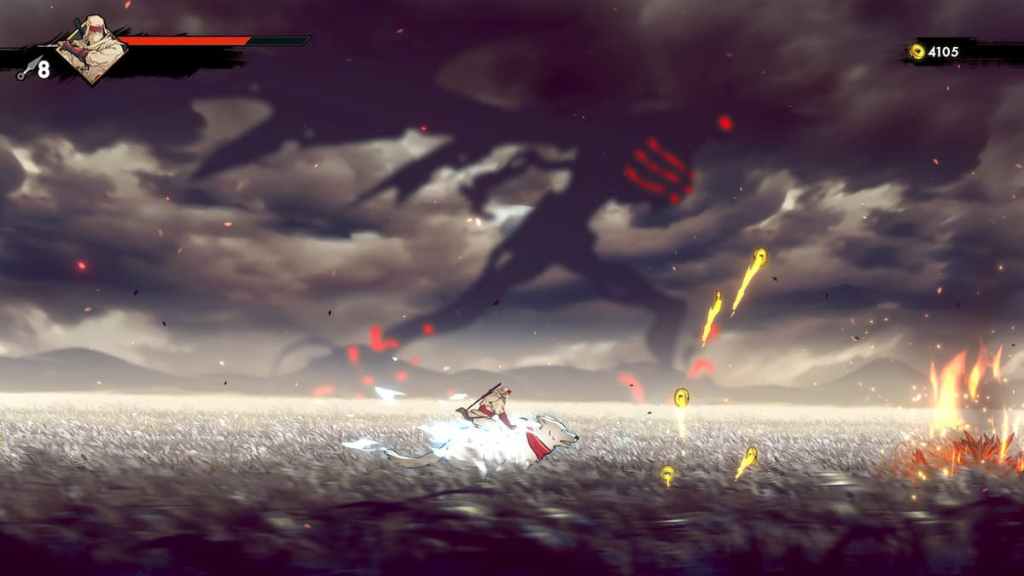
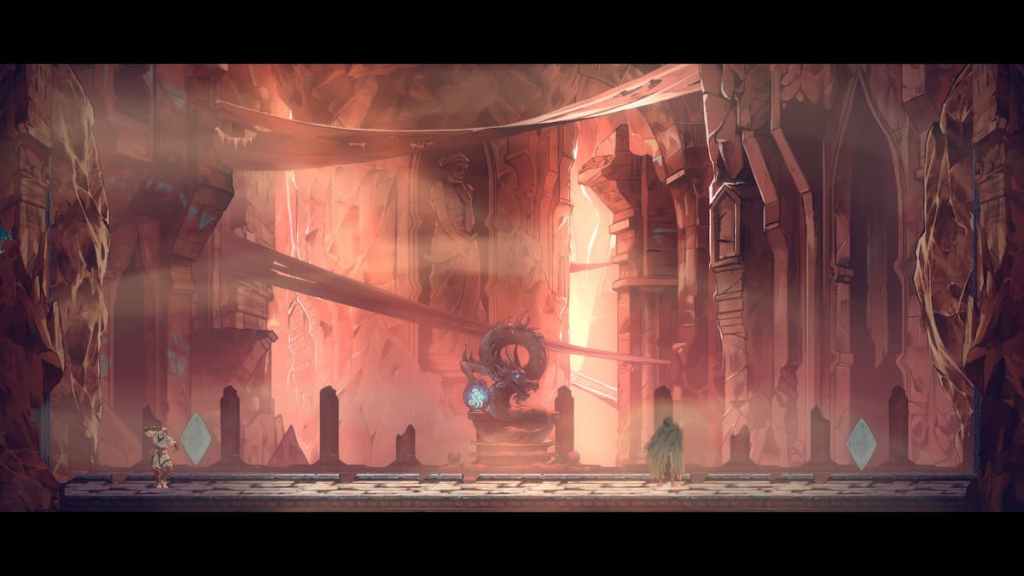
The strongest level of SHINOBI: Artwork of Vengeance is actually its artwork fashion. It makes use of a pseudo-2D perspective, which presents the sport as a standard 2D side-scroller, however truly has a 3D atmosphere beneath. This attitude crossover permits the sport to have unimaginable fluidity in movement, particularly in how the backgrounds behave whilst you’re shifting throughout the stage.
Its use of sturdy, sharp colours additionally comes off as hanging, each throughout gameplay when issues are heating up and being as flashy as they are often and people moments of respite the place you’ve simply overwhelmed a boss. Its complete artwork course comes collectively so properly that no little bit of graphical constancy will be criticized or negatively spoken of, and that’s fairly the assertion.
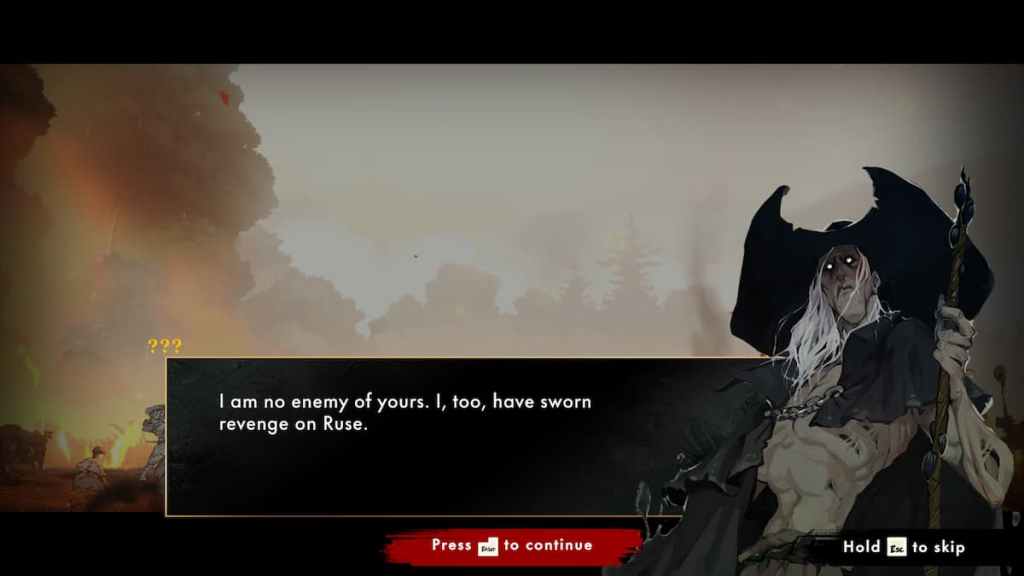
What I discovered essentially the most interesting and funky (and SHINOBI‘s cool issue is simply off the charts more often than not) have been the drawings of Musashi and no matter boss he’s going through, like a preventing sport card of kinds. Regardless of which boss was on these playing cards, they by no means did not amaze me and encourage a stage of awe I haven’t had in an extended whereas, and particularly not whereas enjoying a side-scroller.
All in all, SHINOBI will simply go down in gaming historical past as one of many trade’s most visually beautiful video games, and I sincerely hope it finally ends up profitable some awards at the least on that entrance.
Unreal fight, irritating desings
Nearly equal to its visible constancy, SHINOBI: Artwork of Vengeance‘s fight is one other sturdy level. It offered me with among the most enjoyable in a side-scroller ever, and maybe even within the motion style altogether. There are tons of combos, every hit feels visceral and crispy, and chaining collectively a number of assaults on a number of enemies has unreal vibes.
It’s the kind of fight the place issues typically simply click on in succession, resulting in your juggling the opponent like a soccer, all of the whereas listening to these sharp sounds the SEGA crew poured its coronary heart and soul into. Nonetheless, versus another combo-oriented video games, Artwork of Vengeance does not likely punish you for mashing, and the sport’s combos seem to have been tailor-made exactly to permit for immense enjoyable and expertise the “click on” even in that state of affairs.
Musashi has a number of varieties of weapons at his disposal. His main is the katana, which he can use in numerous methods and chain combos for optimum impact. Moreover, he has Kunai knives, Ninpo strategies (fundamental spells that spend a Ninjutsu bar, charged by means of fight), and Ninjutsu, which come by means of Musashi’s vengeful rage.
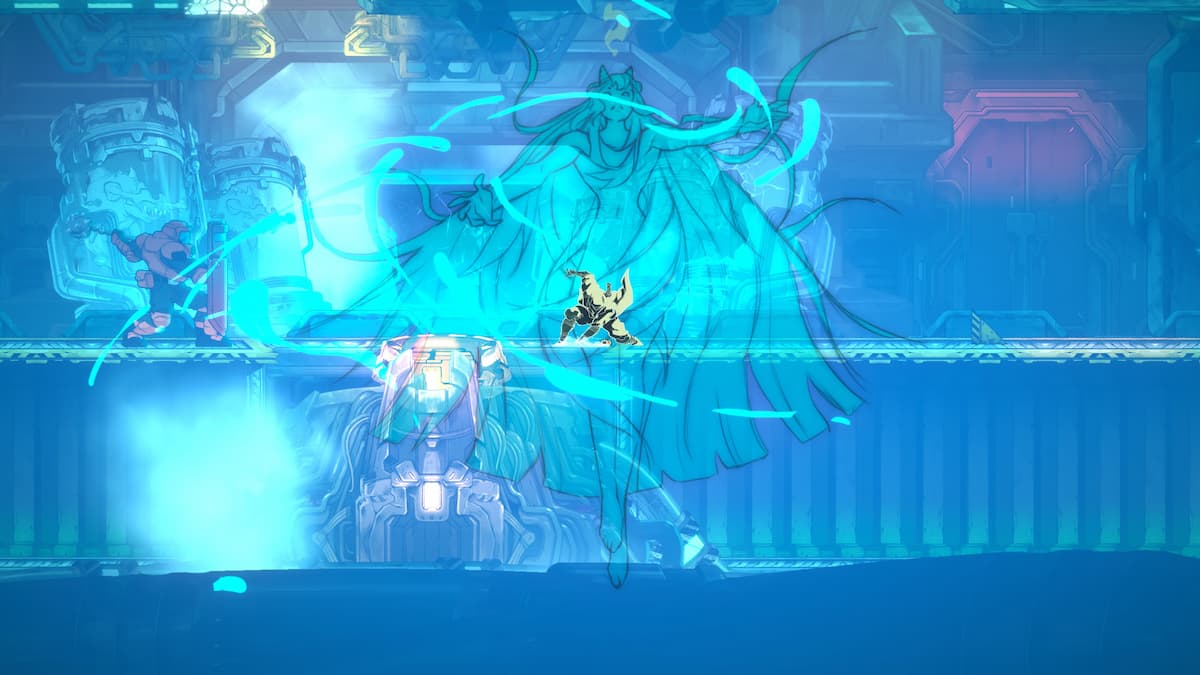
All of those skills and weapons have streamlined utilization and conditions wherein they’re handiest. For instance, the Shuriken Ninpo is nice for destroying enemies’ armor, whereas Flaming Breath is nice for dealing tons of harm rapidly. The artwork fashion on them, too, is breathtaking, particularly with regards to the Ninjutsu arts, which have their very own distinctive mini-cutscenes every.
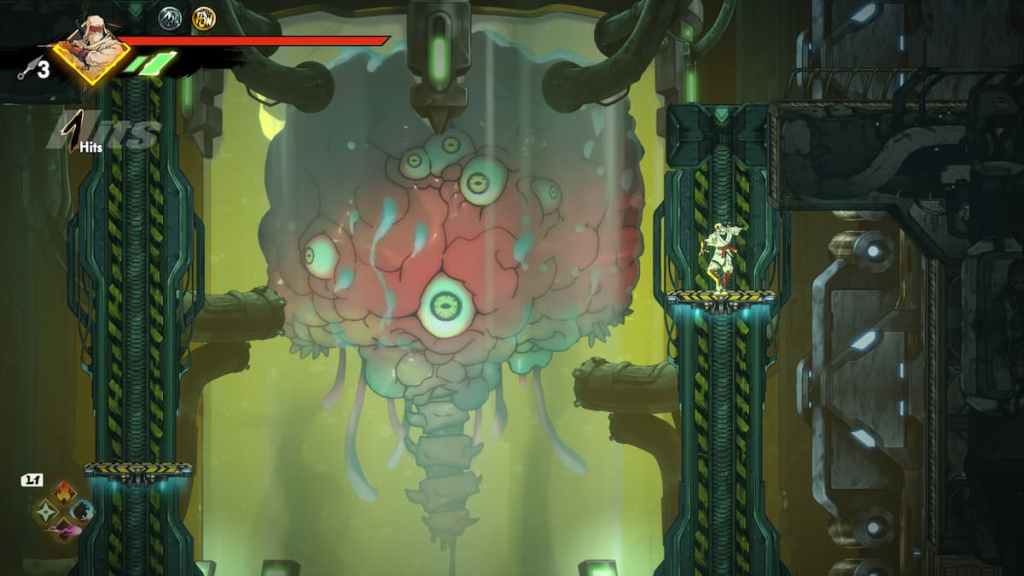
Nonetheless, the place the stellar nature of the fight is minimize quick are numerous inconsistencies in stage design, enemy placement, spawn charges, and charges of fireplace. Frustrations are inclined to stem from enemies spawning in teams too massive to deal with, with numerous defensive buffs that make them nigh unkillable, or having to seemingly get hit on objective to cross an enormous hole guarded by ranged enemies.
The inconsistencies in how enemies behave, the place they stand, and the way highly effective they’re considerably detract from the general expertise and have led me to virtually ragequitting on a number of events. Being pressured into getting hit purposely or avoiding fight and enemies altogether isn’t enjoyable, and must be regarded into by SEGA for subsequent patches.
As for stage design, the sport doesn’t know if it desires to have a full Metroidvania expertise or be an everyday 2D side-scroller with sporadic secrets and techniques. Some maps are complicated and big and really a lot Tremendous Metroid experiences, whereas others have a vibe that the one means is ahead.
Moreover, secrets and techniques on maps are usually locked behind numerous mechanics that you simply unlock solely after beating them, making exploration inorganic and a aware resolution, which halts your development. This implies exploration tends to be extra of a chore than a part of the gameplay, aimed apparently at completionist varieties, slightly than the common participant.
Even so, the maps are considerably various, and no stage feels the identical, which is all the time welcome.
Regardless of its occasional flaws and inconsistencies, in addition to a narrative that isn’t all too deep, SHINOBI: Artwork of Vengeance by far stays top-of-the-line action-packed experiences I’ve performed this 12 months, in addition to one of many higher side-scrollers.

8.5
Nice
Spectacular efforts with a number of noticeable issues holding them again. Will not astound everybody, however is value your time and money.
Breathtakingly lovely and brutally enjoyable, SHINOBI: Artwork of Vengeance is undoubtedly a unbelievable sport and a significant contribution to side-scrollers, regardless of a few of its design flaws.
Professionals
- Masterful artwork course and visuals.
- Extremely-fun fight.
- Wonderful character and boss design.
Cons
- Irritating enemy spawns and conduct.
- Synthetic problem spikes.
- Inogranic exploration aimed toward completionists.
A duplicate of this sport was offered by the writer for evaluation. Reviewed on PC.
Overview Tips